Royal Oak Site Security: Fencing vs Surveillance Compared
Royal Oak construction sites face unique security challenges with the bustling Downtown district and Grant Park proximity. Woodward Temp Fence analyzes when physical barriers meet liability requirements versus when electronic surveillance suffices, considering Royal Oak's post-war building stock and commercial areas like the Farmers Market.
Physical Fencing vs Electronic Surveillance in Royal Oak
After that brutal 2007-2008 winter, we learned fast that a fence isn’t just a perimeter marker — it’s the first thing standing between a site and a bad night. In Royal Oak, from Grant Park to the Lawson Park Area and Woodwardside, we’ve seen physical fencing do what cameras can’t: block entry, slow down trespassers, and define the jobsite right away. Electronic surveillance has value, and we use it as part of a bigger plan, especially near active properties like site theft prevention and around sensitive locations like Beaumont Hospital, Royal Oak. We get it up fast, so you can get back to feeling secure. When wind, ice, and curious foot traffic all hit at once, we’ll pair emergency fencing with the right wind load resistance features because that gives you real control at the boundary, not just footage after the fact.
-
Focus on how physical fencing stops access at the line while electronic surveillance mainly records activity after the fact.
-
Mention Royal Oak settings like Downtown Royal Oak, Lawson Park Area, or Woodwardside to keep the comparison local and grounded.
-
Use at least 4 internal links from the approved site pages, formatted as HTML anchors with the exact class string provided.
-
Keep the tone first-person and trade-based, with specific field experience and no generic marketing language.

When Cameras Aren't Enough: Real Fencing Solutions for Royal Oak
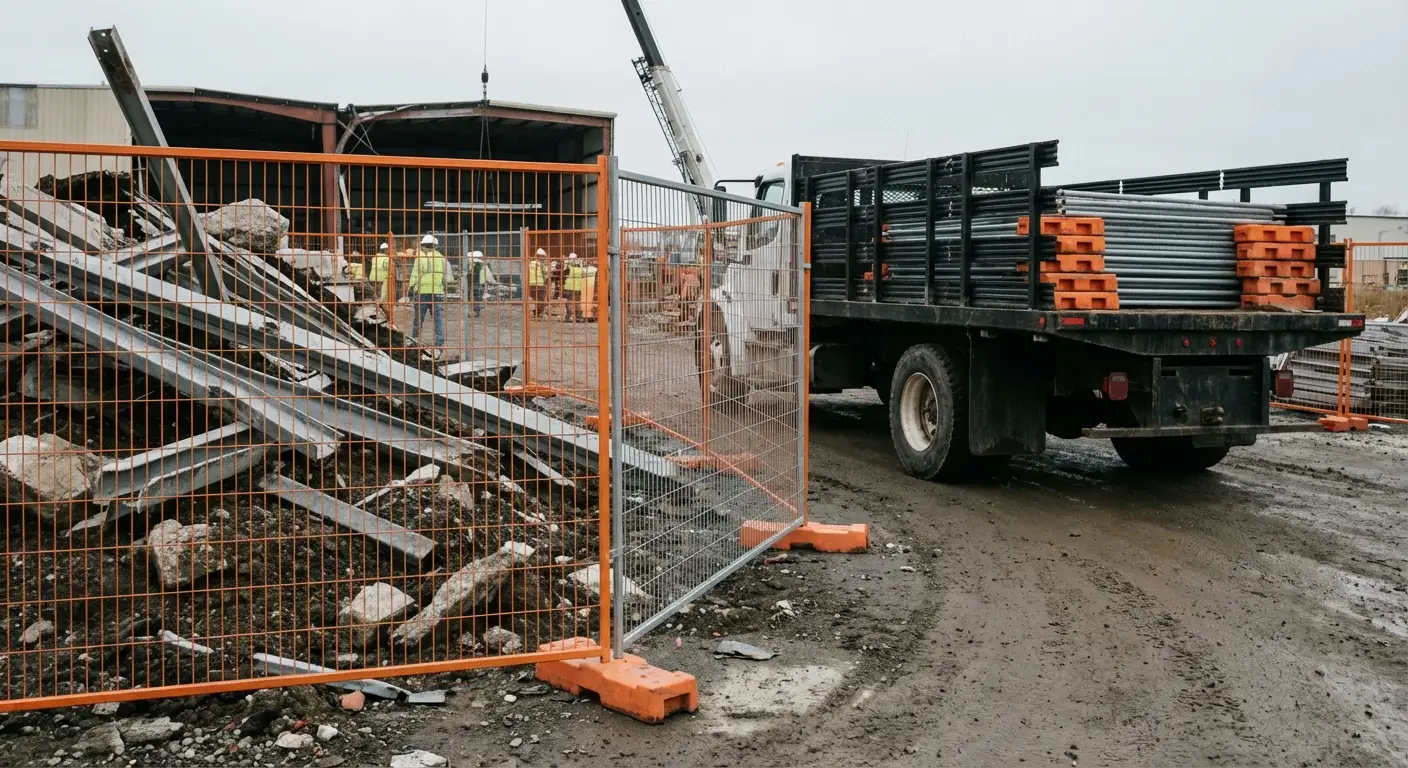
We've seen cameras fail where fences succeed in Royal Oak neighborhoods.
SoDo Retail Storage Protection
Lawson Park Residential Security
Secure Your Royal Oak Jobsite
Call (248) 643-8739 for professional temporary fencing installation.
Comparing Physical Fencing and Electronic Surveillance for Site Security
Evaluate physical fencing and electronic surveillance benefits for securing Royal Oak, MI sites effectively.
| Excluded Service | Reason for Exclusion | Alternative Provider |
|---|---|---|
|
Physical Fencing
|
Provides a visible, physical barrier deterring unauthorized entry and clearly defines property limits. |
Use for high-traffic, open areas requiring clear perimeter control.
|
|
Electronic Surveillance
|
Delivers continuous monitoring with real-time alerts, enhancing detection beyond physical barriers. |
Integrate with fencing for comprehensive site coverage and incident response.
|
|
Maintenance Requirements
|
Fencing demands routine inspections for damage; electronics require power and software upkeep. |
Schedule regular checks to maintain operational integrity and compliance.
|
|
Installation Complexity
|
Fencing installation suits varied terrain; electronic systems need technical expertise for setup. |
Plan professional installation aligning with site topography and infrastructure.
|
|
Environmental Suitability
|
Physical barriers withstand weather impacts; electronics may require protective housing outdoors. |
Choose materials and devices rated for Royal Oak’s climate conditions.
|
Physical Fencing vs Electronic Surveillance: Real Security Starts at the Perimeter
We believe true site security begins with a barrier you can see, touch, and trust—especially in Royal Oak’s unpredictable climate. Electronic surveillance records threats; physical fencing prevents them. After the 2007–2008 winter, Jamal Washington founded Woodward Temp Fence to deliver immediate, OSHA-compliant protection that adapts to Michigan’s toughest conditions. We get it up fast, so you can get back to feeling secure.
-
1
Immediate Physical Deterrence
Physical fencing creates an instant, visible barrier that deters unauthorized access more effectively than surveillance alone. In Royal Oak’s mixed-use zones like South of Downtown, this presence alone reduces trespassing attempts before they start.
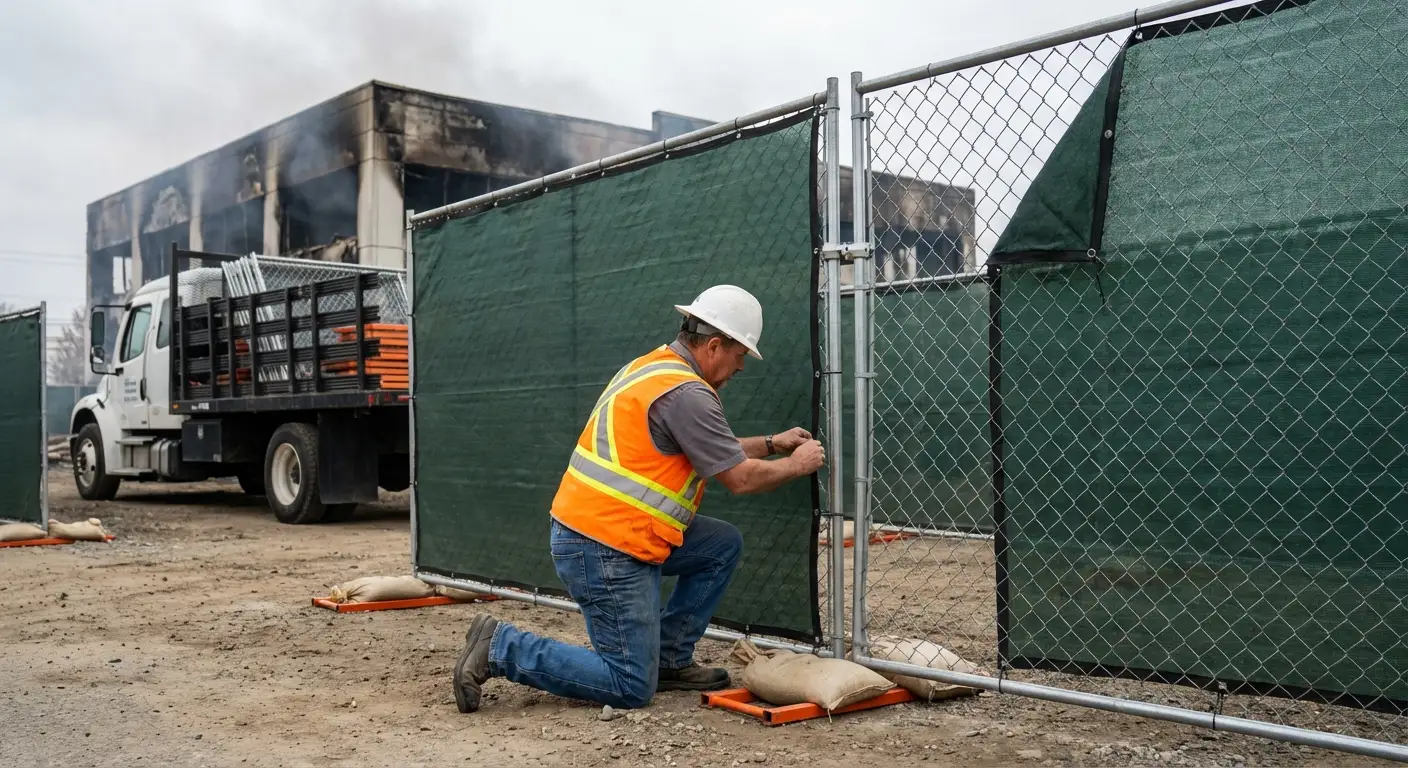
Real World ExampleAfter a break-in at a Lawson Park construction site, we installed chain-link panels overnight—stopping further incidents without cameras.
-
2
Weather-Resilient Deployment
Michigan winters demand fencing that withstands snow load and wind. Our wind-load-resistant systems with concrete-steel bases stay upright when electronic systems fail due to ice or power loss near Woodwardside.
Real World ExampleDuring the 2008 thaw, our crew replaced collapsed barriers in Lawson Park Area within hours using emergency fencing.
-
3
Zero-Trip Safety Integration
Temporary fencing must protect without creating hazards. Our zero-trip-hazard design aligns with OSHA 30-Hour Construction Safety standards, critical near high-foot-traffic zones like Grant Park and Memorial Park.
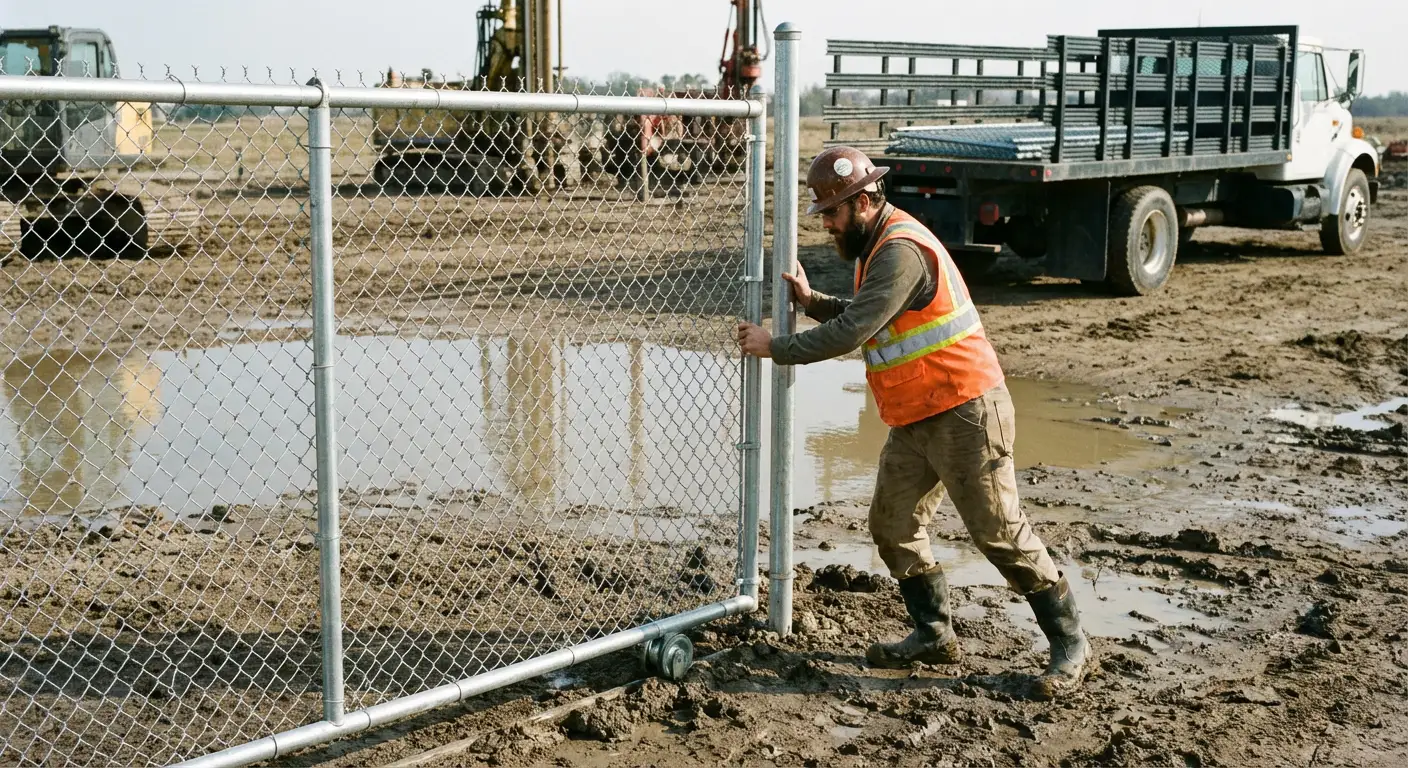
Real World ExampleWe used wheel-assisted gates for a utility project by Memorial Park, allowing access without ground obstructions.
-
4
Modular Adaptability
Sites evolve daily. Our modular-reconfiguration capability lets crews adjust perimeter layouts on the fly—something fixed electronic systems can’t match in dynamic areas like SoDo.
Real World ExampleFor a phased redevelopment near Woodward Avenue, we reconfigured post-driven fence segments weekly to match excavation zones.
Woodward Temp Fence combines AFA-certified expertise with Royal Oak–tested solutions—deploying physical barriers that outperform surveillance alone in durability, deterrence, and adaptability across neighborhoods like Lawson Park Area, Woodwardside, and South of Downtown.
Physical Barriers vs Digital Monitoring: Security Solutions for Royal Oak Sites
- Physical barriers block direct access
- Cameras provide visual documentation
- Sensor systems detect potential intrusions
Site Assessment Checklist
- Evaluate physical fencing security advantages
- Compare electronic surveillance technologies
- Understand site-specific security needs
- Determine appropriate boundary protection strategies
Physical Fencing vs Electronic Surveillance in Royal Oak — Part 2
Compare physical fencing and electronic surveillance options for effective site security in Royal Oak, MI.
Locally serving Royal Oak with compliant temporary fencing solutions.
Physical Fencing vs Electronic Surveillance for Boundary Control
Royal Oak boundary jobs near Woodward Avenue use fencing and cameras for different field tasks and access control.
How does physical fencing change site control in South of Downtown (SoDo)?
Physical fencing in South of Downtown (SoDo) sets a clear edge that slows entry, funnels traffic to one opening, and gives crews a fixed line to inspect. Around mixed blocks near Woodward Avenue, that visible barrier helps separate active work from public walkways and parked vehicles.
What does electronic surveillance miss that fencing catches near Red Coat Tavern?
Electronic surveillance near Red Coat Tavern records movement, but it does not stop someone from stepping onto the site. Fencing creates a first barrier before a camera ever needs to confirm the event, which matters when evening foot traffic shifts along commercial frontage in Royal Oak.
When is surveillance enough for Lawson Park Area jobs?
In Lawson Park Area, surveillance fits short-duration monitoring when the site has low curb exposure and no stored materials at grade. Crews still need a defined access point, because cameras alone do not control wandering pedestrians, loose dogs, or delivery trucks cutting across the edge.
How do weather and winter conditions affect both options in Royal Oak, MI?
In Royal Oak, MI, snow buildup and freeze-thaw cycles can block camera views and shift temporary panels if the ground is soft. Physical fencing needs tighter footing checks, while electronic surveillance needs clean lenses, stable power, and sightlines that do not vanish behind plowed snowbanks.
What works better for older 1950_1980 housing blocks in Woodwardside?
Around Woodwardside's 1950_1980 housing blocks, fencing usually fits tighter lots and reduces complaints about people cutting through unfinished edges. Surveillance helps document activity, but the narrow setbacks and close driveways make a visible barrier more practical for keeping neighbors out of a live work zone.
How do OSHA and local field checks shape the choice between fencing and cameras?
OSHA field rules push crews to mark hazards, control access, and keep bystanders away from excavation or stored material. On Royal Oak sites, fencing handles the physical separation, while cameras support documentation; the two work together, but only fencing gives a direct barrier at the boundary.